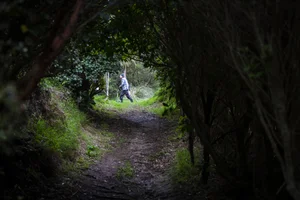
Insights from the 2025 Bush Bird Survey
We're excited to share the fascinating results of the 2025 Bush Bird Survey, conducted on June 29th and 30th, 2025, at Manawa Karioi! This year's survey provides valuable insights into the birdlife thriving within our local reserve.
A Comprehensive Look at Our Feathered Friends
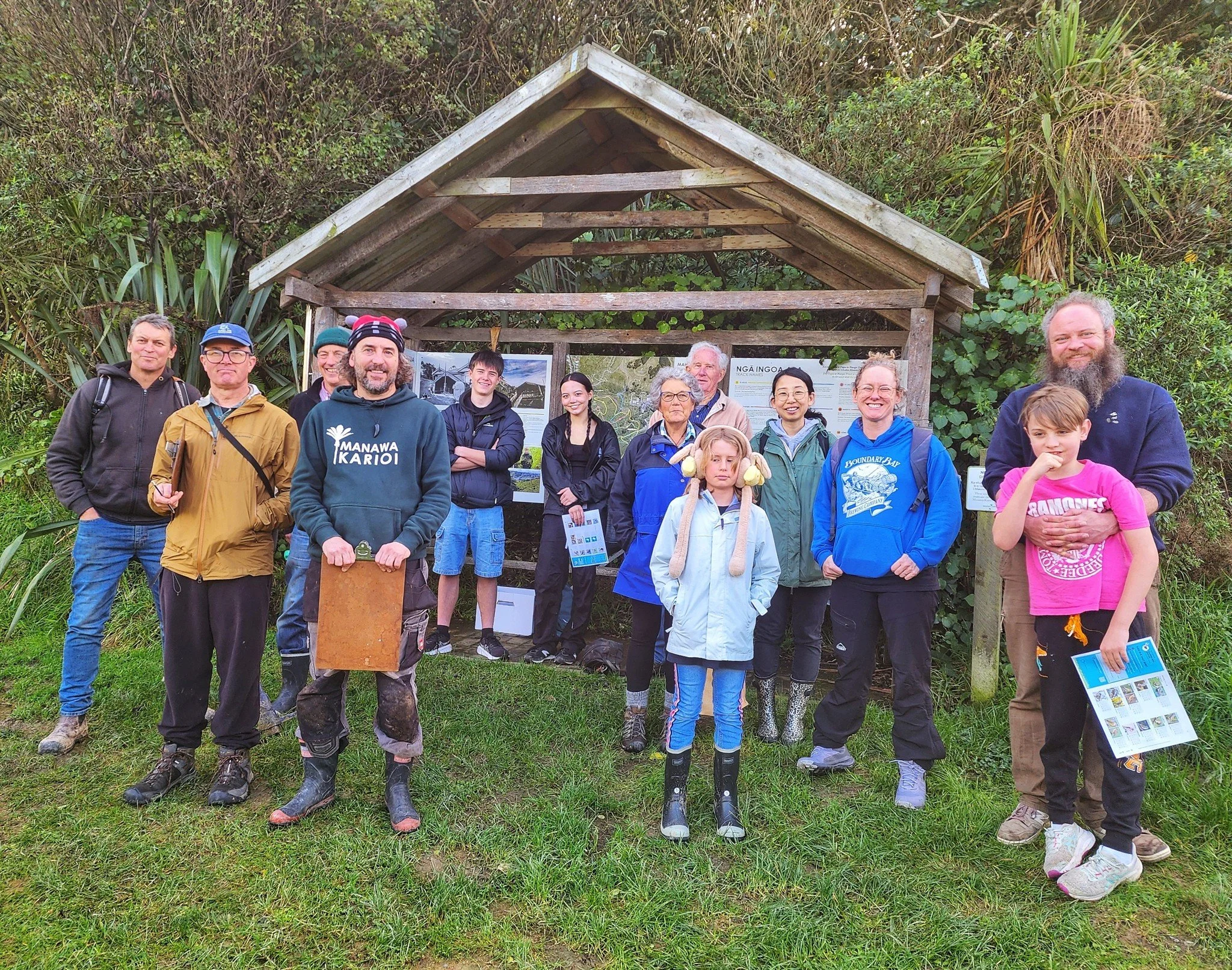
Six dedicated groups spent an hour on the afternoon of Sunday, June 29th, meticulously counting birds at various sites both within and on the edges of Manawa Karioi. To gain an even deeper understanding, one group revisited a site the following morning, and we incorporated data from two earlier counts conducted in 2023 and 2024. These nine counts offer a comprehensive picture of the bird species present and their distribution across the reserve.
The seven survey sites, stretching from north to south, included:
Greens Lookout: Offering views over the northern part of Manawa Karioi, near the top of Te Uma i Mokotia.
The Horse Paddock: Located on Te Ahi Kaa, near the Home of Compassion boundary, with views up the large northern gully.
Nature Trail Stream Bend: Focusing on birds within the most advanced regenerating bush in Manawa Karioi.
Mokopuna Lookout: Situated near Te Ahi Kaa in the central southern part of the reserve, looking mainly north.
Subdivision Lookout: Near the Rhine St entrance, providing views over the southern part of the reserve and Island Bay.
Paekawakawa Link Track - Top: Overlooking open ground on the boundary between Manawa Karioi and the Paekawakawa Reserve and the South Coast.
Key Findings: A Diverse and Familiar Avian Community
All survey sites showcased a wonderful diversity of birds, with 5 to 9 species recorded per hour and sightings ranging from 13 to 24. The horse paddock boasted the most sightings, followed closely by the top of the Paekawakawa Link Track. These more open sites provided clear views of high-flying species like gulls.
The good news is that there were no major surprises in the results – all species recorded are familiar to those who regularly visit Manawa Karioi. However, the detailed findings offer valuable insights into the types of species thriving in the reserve.
The most abundant species observed overall were:
Gulls (black-backed and red-billed)
Tauhou (silvereye)
Piwakawaka (fantail)
Blackbird
Tui
Notably, five out of these six most abundant species are native to New Zealand. This strongly suggests that our regenerating native bush is successfully attracting more native birds compared to typical garden environments. In fact, only native birds were spotted at the Nature Trail site, a testament to the maturing native bush there, even though it's close to open ground.
Adding Context: Trends from Previous Years
Three additional one-hour Bush Bird Survey counts between 2023 and 2025 provide further context to these recent findings.
A morning re-survey of the horse paddock site on Monday, June 30th, 2025 (when bird activity is often higher), revealed a greater number of species, including five not recorded the previous afternoon: kākā, pied shag, goldfinch, quail, and songthrush. Interestingly, the total count number for this re-survey was slightly lower.
An earlier winter 2024 morning count at the horse paddock showed similar diversity and count numbers to the 2025 morning count, also including kākā and pied shag, which were not seen on June 29th.
Finally, a winter 2023 morning count at the top of Union Road (another site) displayed similar diversity but a higher count number (32 sightings) compared to 2024 and 2025. This earlier count also included two species – eastern Rosella and starling – not observed in 2024 and 2025.
Detailed Bird Counts from June 2025
For those interested in the specifics, here's a summary of the bird counts at Manawa Karioi in June 2025:
These survey results reinforce the importance of our ongoing efforts to restore and maintain Manawa Karioi's native bush, providing a thriving habitat for our precious native birdlife. We look forward to continuing these surveys and observing the positive impact of our collective work.
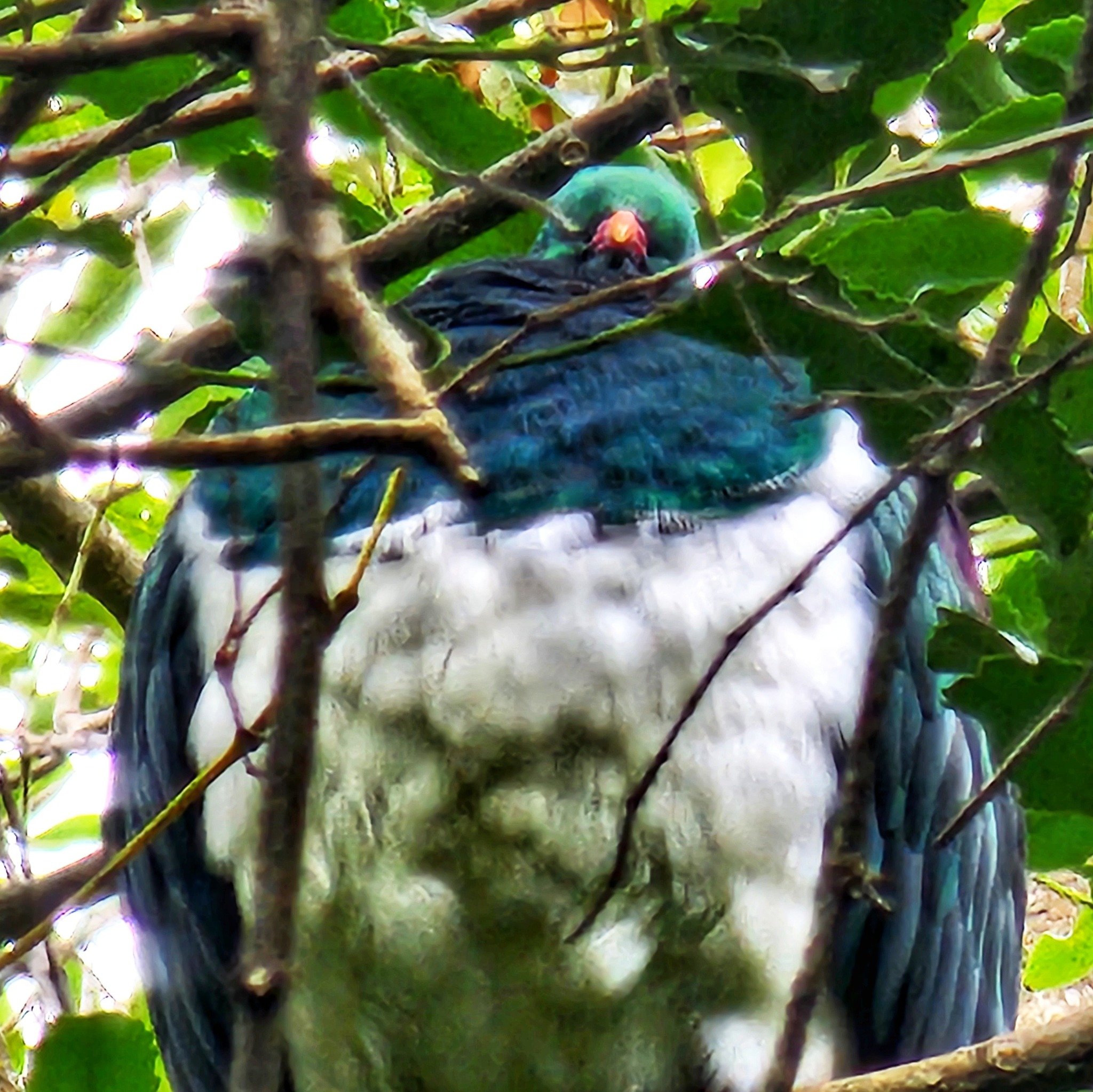
Kereru