20 years (on and off) with Manawa Karioi
Written by Vanessa Patea
When I first moved to Wellington at the start of the millennium, I discovered nestled in the hills of Island Bay, an improbable wooden building called Tapu Te Ranga Marae. Rising up behind it was what seemed like a sprawling, and equally ambitious urban/māori restoration project that was already 10 years old - Manawa Karioi.
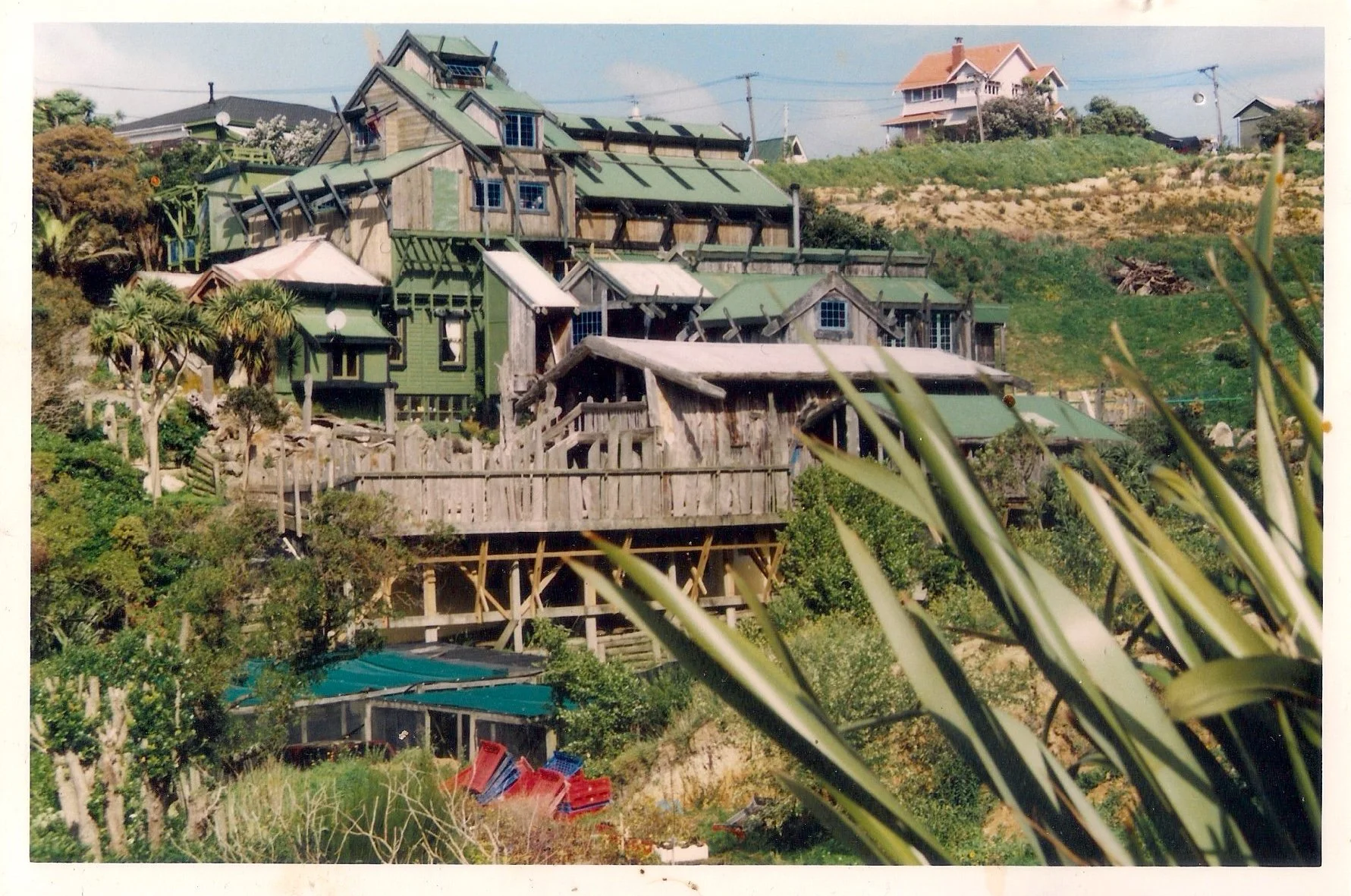
My earliest photo of Tapu te Ranga Marae, taken around the year 2000. See the nursery in the foreground.
I didn’t know then, but I was about to get into a long-lasting and ethically non-monogamous relationship with trees, birds and this patch of land in Island Bay hills.
We’ve been in an on-again, off-again relationship for almost a quarter of a century. It’s been full of tree hugging, spontaneous reforestation dates, and some long distance longing (when I travelled to distant shores). But somehow, I found my way back. Let me tell you the story.
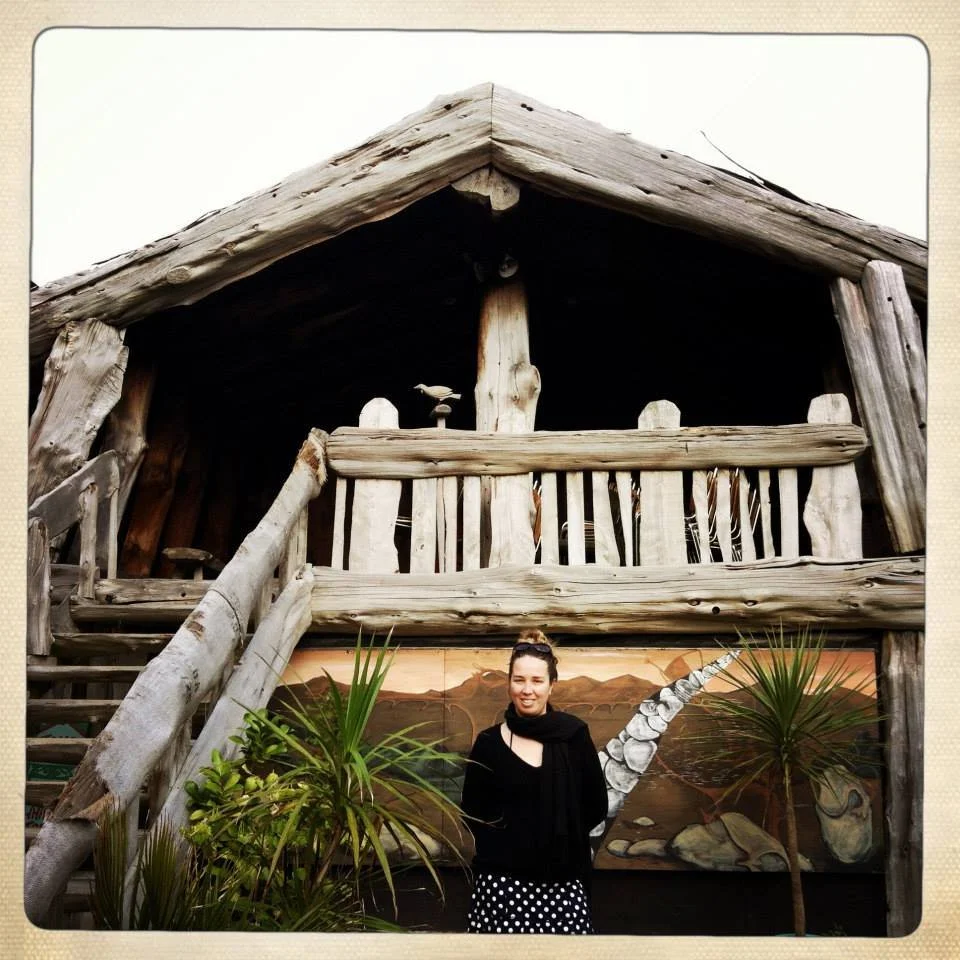
Me in front of Tane Whai Ora - Bruce asked me to adorn this original whare with Māori rock art motifs in 2003/2004.
I was new to the city, hanging around the marae—doing dishes, chatting with Matua Bruce, and working on an art installation in Tāne Whai Ora.
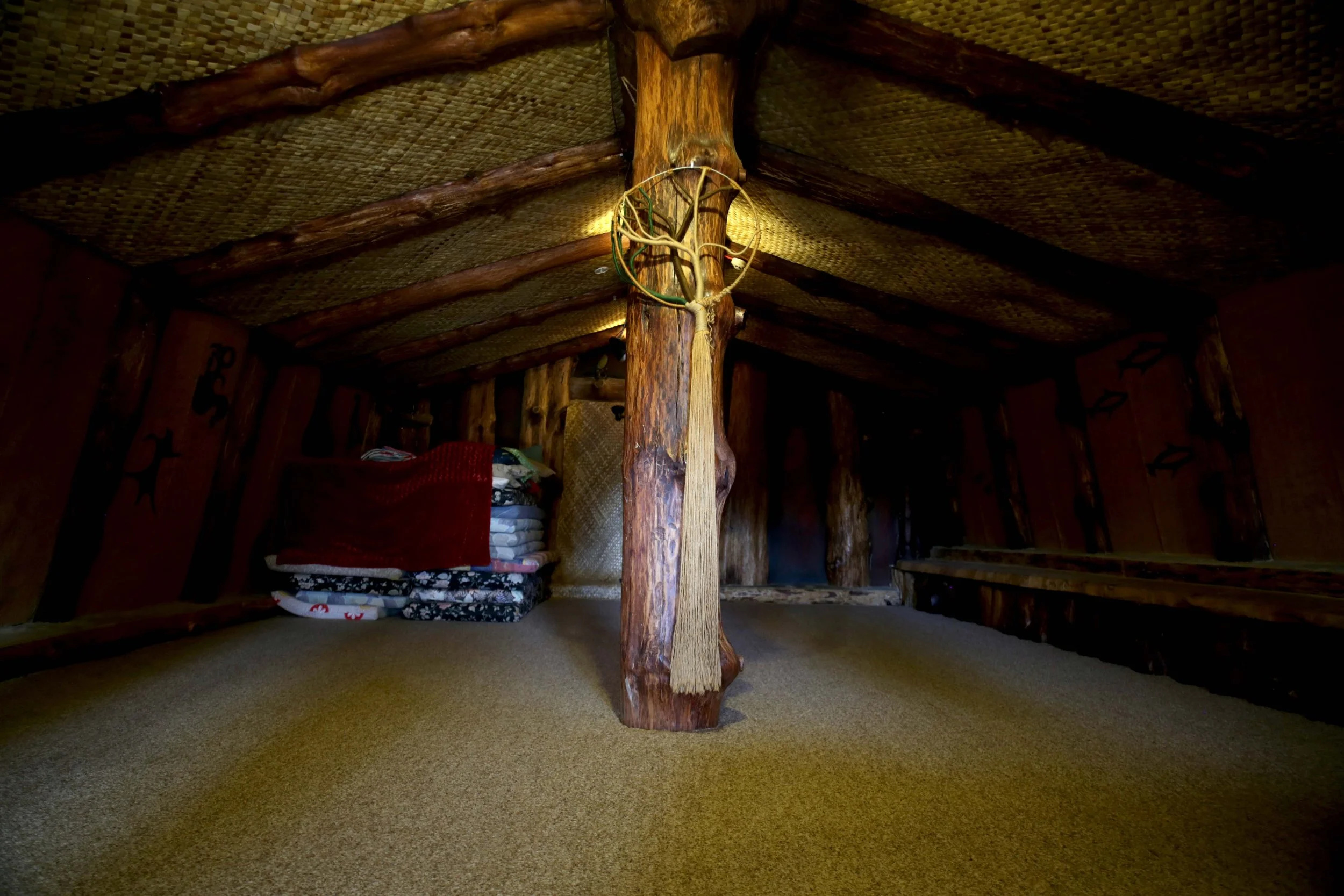
Interior: Tane Whai Ora
I have hazy memories of the restoration project back then: a bit of tree planting, some artwork here and there. The details are fuzzy, but I like to imagine how tall those trees are now, two decades on.
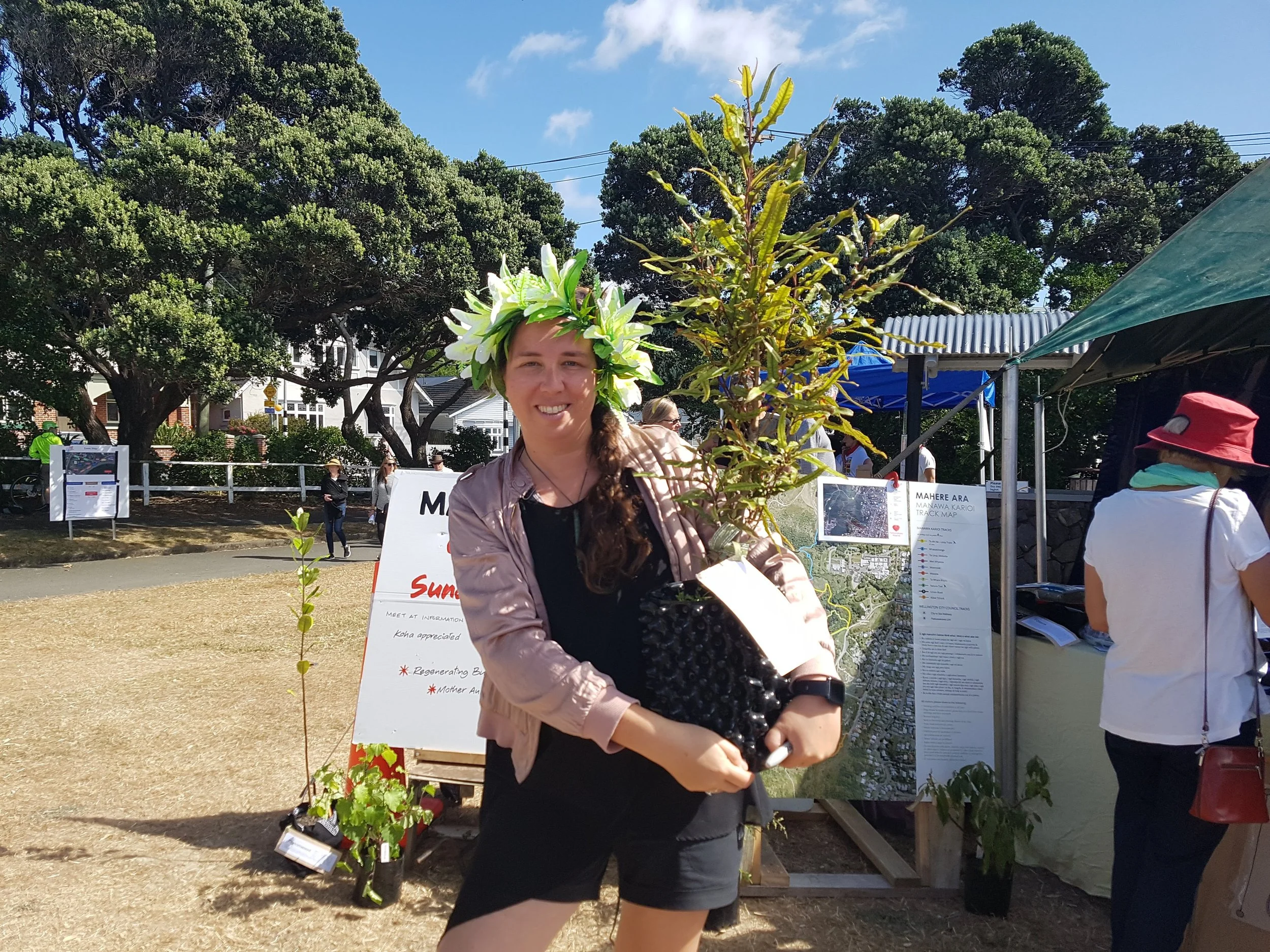
Volunteering with the Southern Bays restoration groups at the Island Bay Festival in Wellington.
About nine years ago, invited by Peter Russell I joined the kōmiti. It was time to commit. I had gathered experience in media, communications, and storytelling—and I realised those skills could be of service to this project. I brought my camera, comms skills, and a desire to document the story of Manawa Karioi.
I found new ways to contribute to the project. I led the refresh of our branding and online presence—logo, website, socials, newsletter, and more recently a WhatsApp members group to keep the community connected.
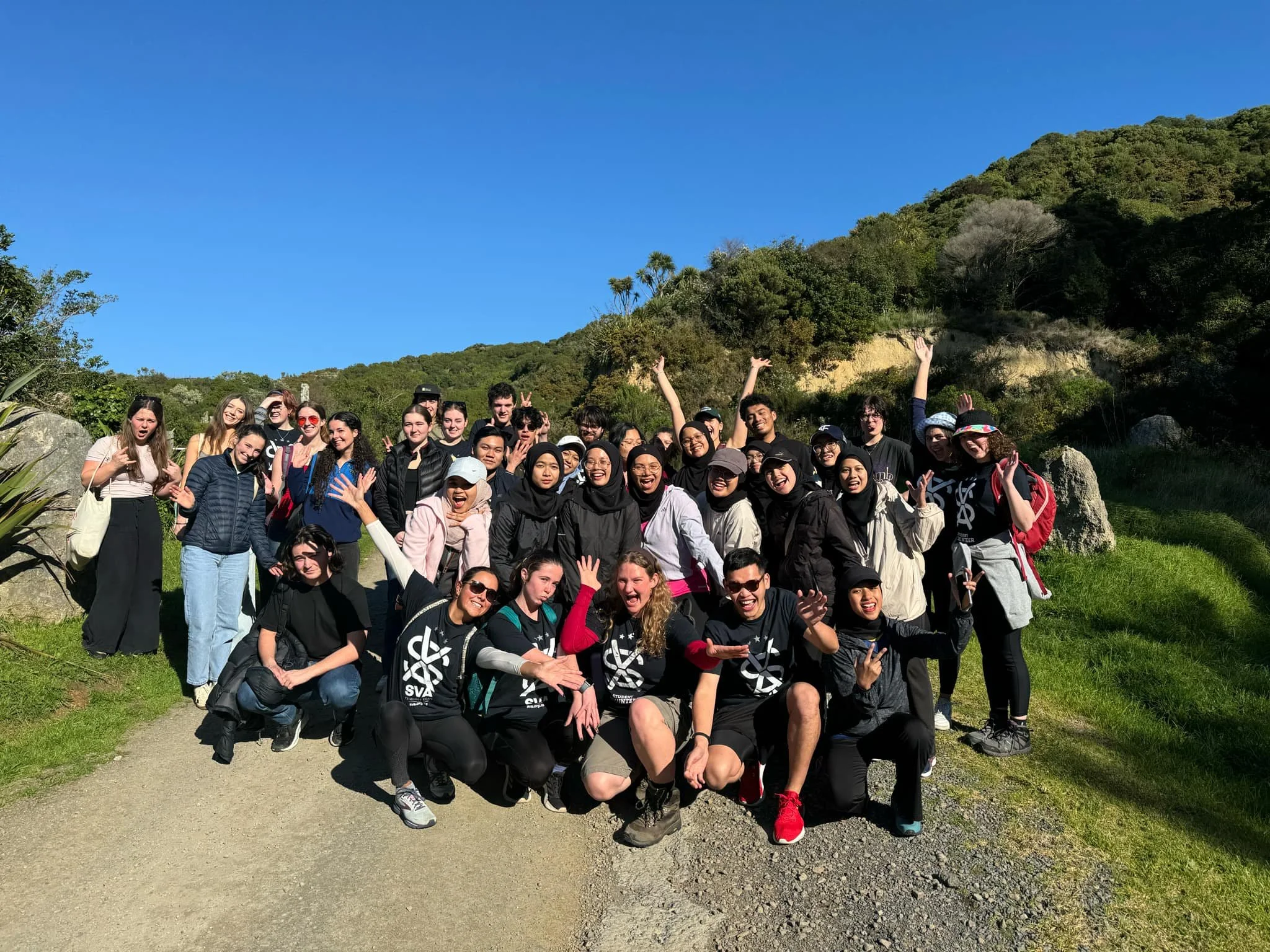
The Student Volunteer Army showed up to work on the hill!
Over time, we started to notice a shift. Working bees were packed. Community, corporate and research groups were contacting us. Lockdown turned the tracks into a local pilgrimage site. People were tuning in to the Manawa Karioi story—the story of Manawa Karioi was reaching further.
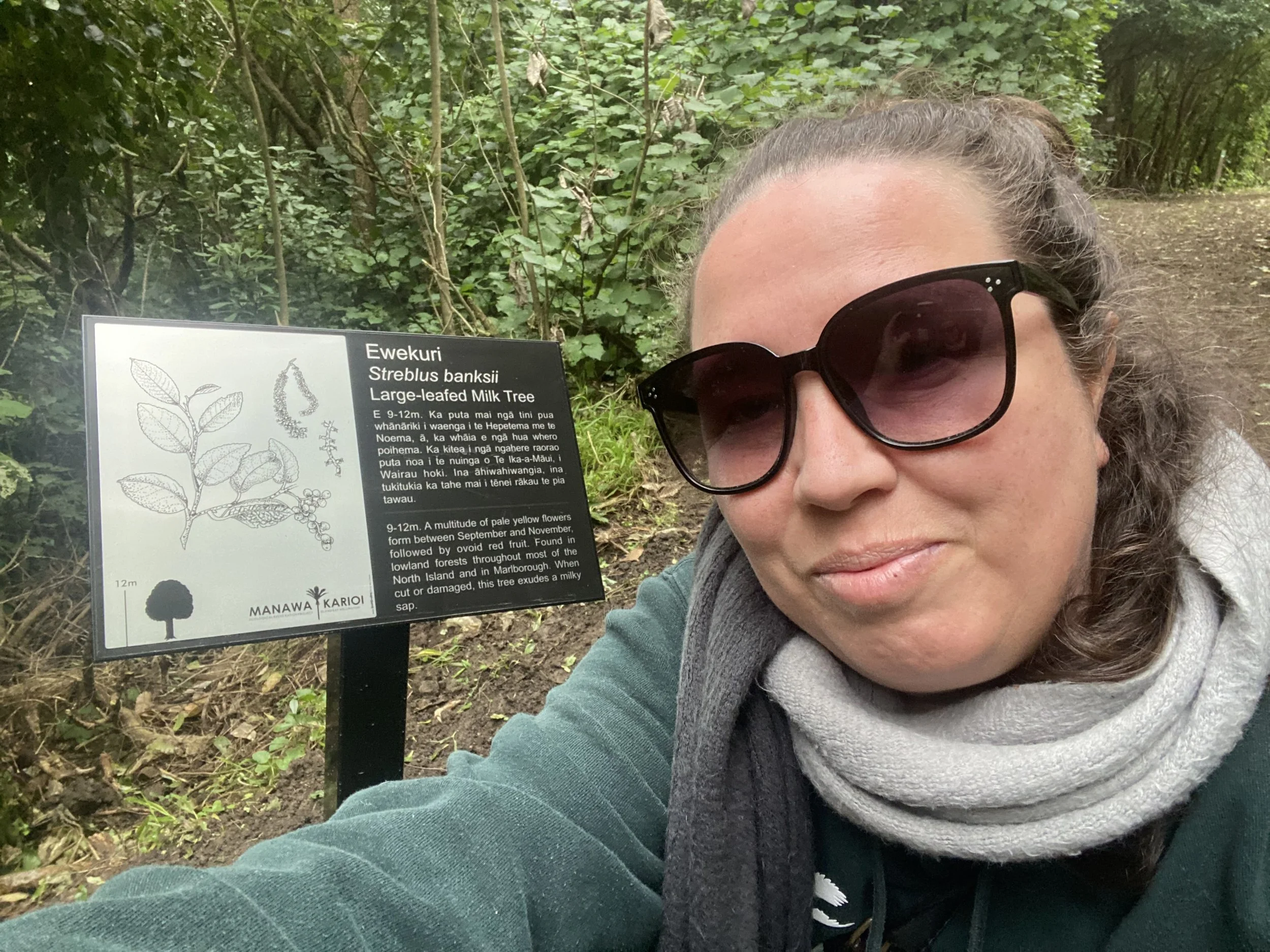
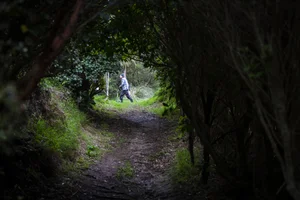
Reo Rua Signage on the Nature Trail.
One of my proudest moments was wrangling the reo rua signage into existence—finally helping people find their way without getting lost in the bush! We hustled some funding, got a nature trail built, and we threw a bit of an opening event to celebrate.
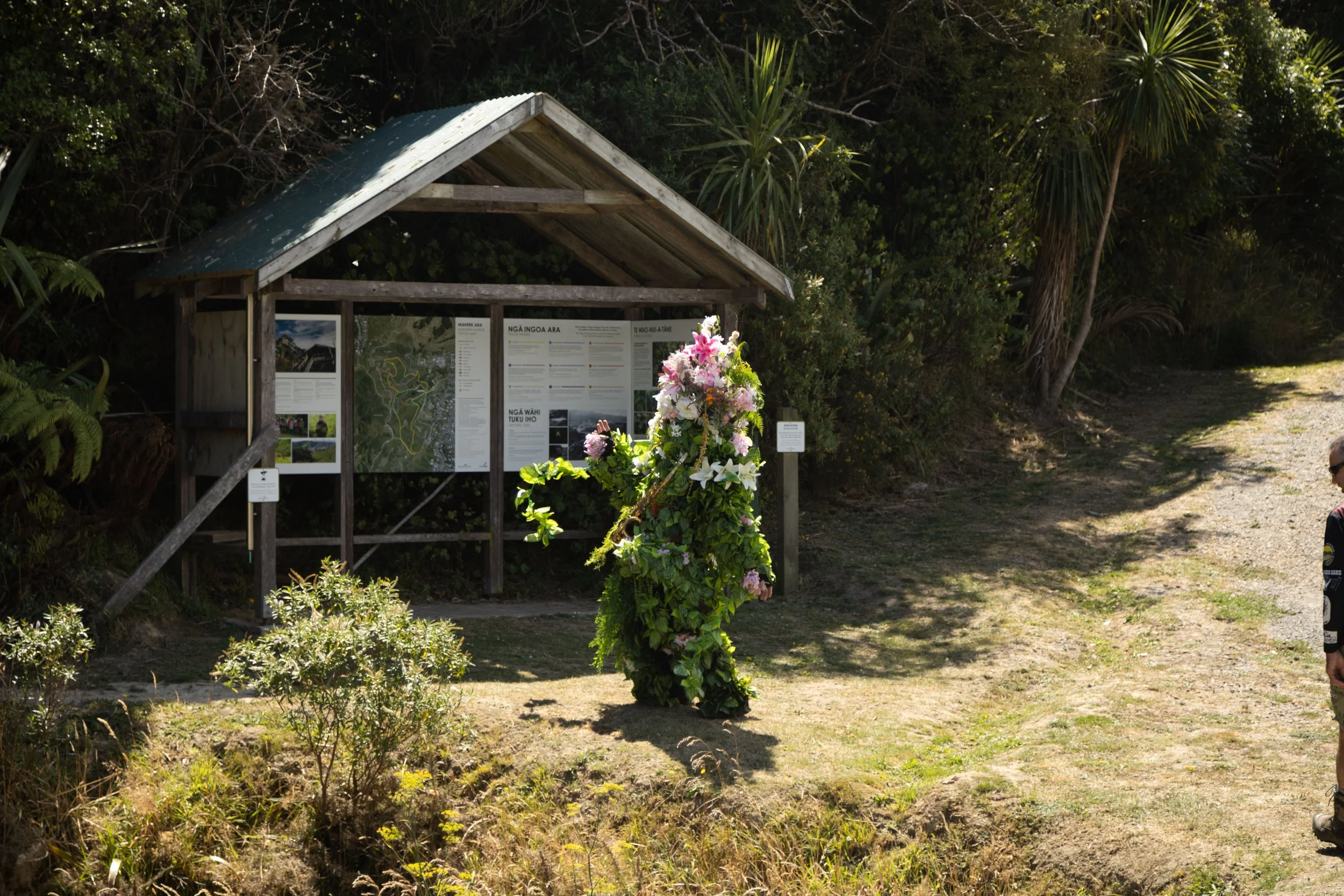
‘Woody’ entertains the community at the Nature Trail Opening event.
These days, I’m still in it. I show up to working bees—sometimes with a spade, often with a camera. I believe in documenting the journey, because these moments matter. Sharing them helps others see the magic of Manawa Karioi and feel invited into the story.
My connection to Tapu Te Ranga Marae has remained strong over the years, and I’m proud to have made a documentary that features the marae with a small cameo of Manawa Karioi. You can watch it here.
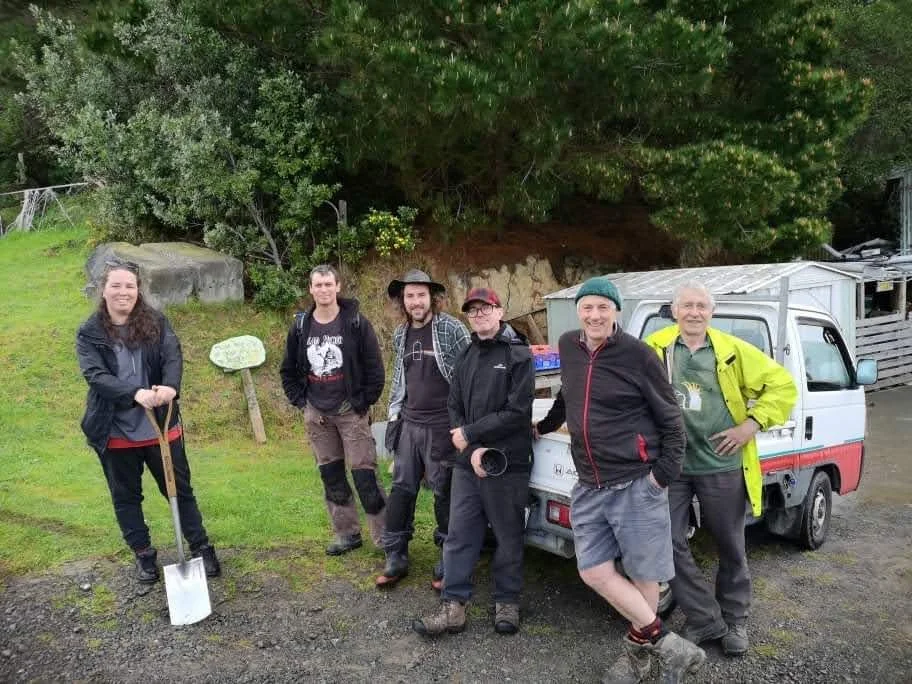
Some the kōmiti after a working bee.
My journey with Manawa Karioi hasn’t followed a straight path but has led to some surprising outcomes. We’ve drifted and come back - Manawa Karioi and I? We’re in it for the long haul!
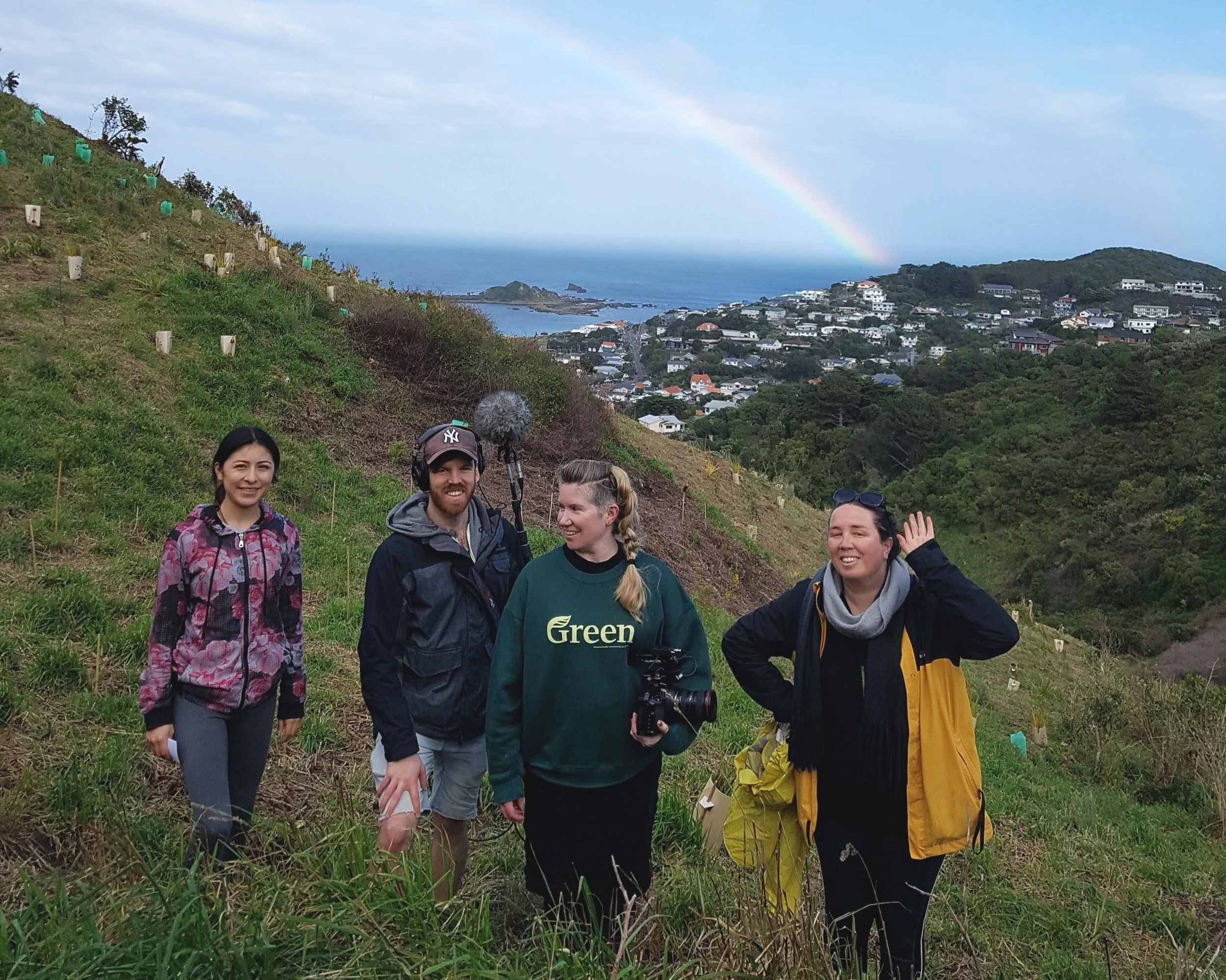
Filming a documentary about Manawa Karioi with the crew.