What a difference a decade (or two) makes!
Nothing better illustrates the progress that can be rapidly made than a few photos that were taken decades apart. Here are three views looking at the main gully and hillside above the Tapu Te Ranga Marae carpark, and one shot from under the established canopy.

This photo was taken around 1994. The first plantings were done in 1991, and most are around 1 metre high. Notice that gorse is rapidly taking over the grassy slopes of the former farmland.
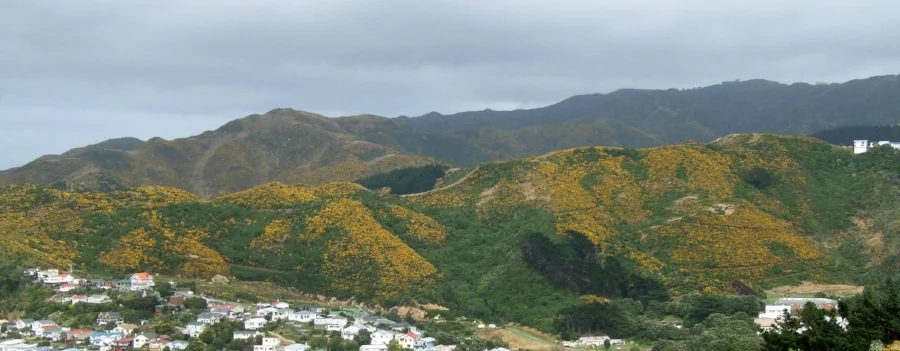
Photo 2 was taken in 2008. The canopy has gotten taller, and the plantings are spreading up the gullies. The gorse has also gotten taller and has become a major problem (along with blackberry) by blocking the tracks, which require a lot of effort to keep open. What isn't visible is that a lot of natural regeneration is occurring under the gorse. The seed source for this comes from the faster-growing species that have already been planted, as well as from nearby regenerating bush in the surrounding Town Belt.
10 years earlier work had begun on establishing understory and future canopy and emergent species, with many nikau, as well as kahikatea, matai, miro and others
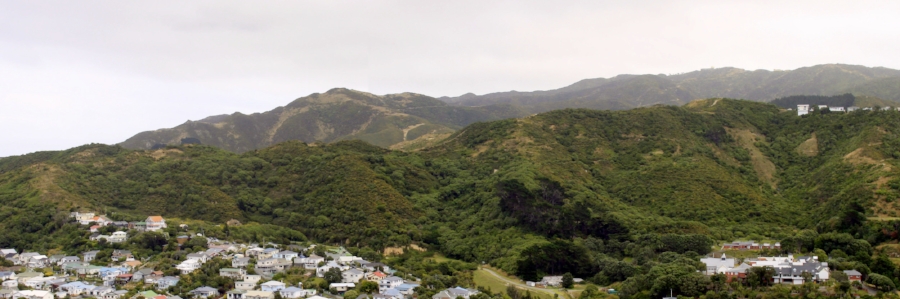
Photo 3 was taken recently in early 2018. Like the other two photos, it was taken when the gorse was in flower (bright yellow flowers) as this is the best way of distinguishing gorse from other vegetation. The first thing that really strikes you is how little gorse there is now. Many years of planting along the track sides have resulted in the gorse getting shaded out and dying off, making track maintenance much easier. This method also eventually shades out the blackberry. The canopy has grown up to 15 metres high in the lower gully, and the diversity of underplantings has greatly increased. Natural regeneration continues, with kawakawa becoming abundant. This plant gives this coastal part of south Wellington its' original name of "Paekawakawa".
As gorse is highly flammable, the risk of accidental fire is greatly lowered when forest returns, as many native trees are not as combustible. This has been shown from a couple of accidental fires at Manawa Karioi (possibly started by discarded cigarette butts) and also from several deliberately lit fires over the hill in Happy Valley.
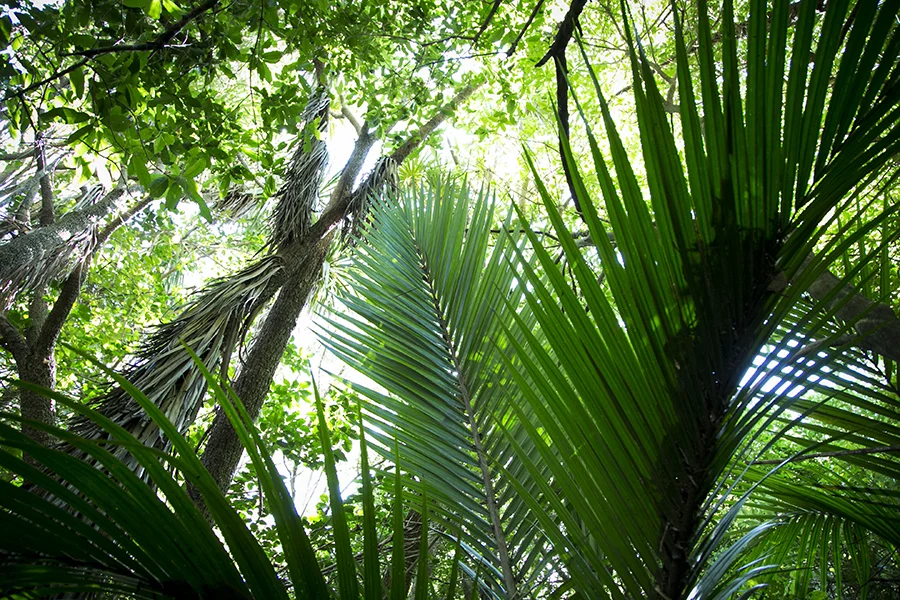
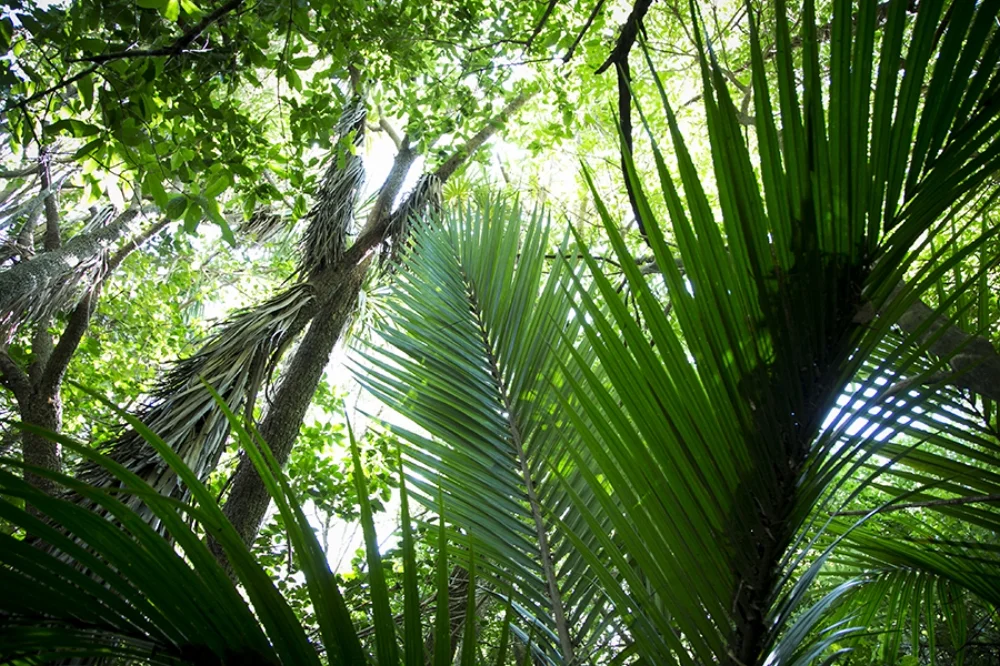
A shot looking up at the canopy near where the fresh-water spring emerges. 20 years ago this was a sunny clearing choked with blackberry. Now the nikau and some of the podocarps are between 3-5 metres high!
Written by Ross Gardiner
Photos by Bernard Smith, Vanessa Patea
A Group Effort
We welcome any groups who want to help us out; it can be a great team-building exercise or just a way to contribute something practical to the project.
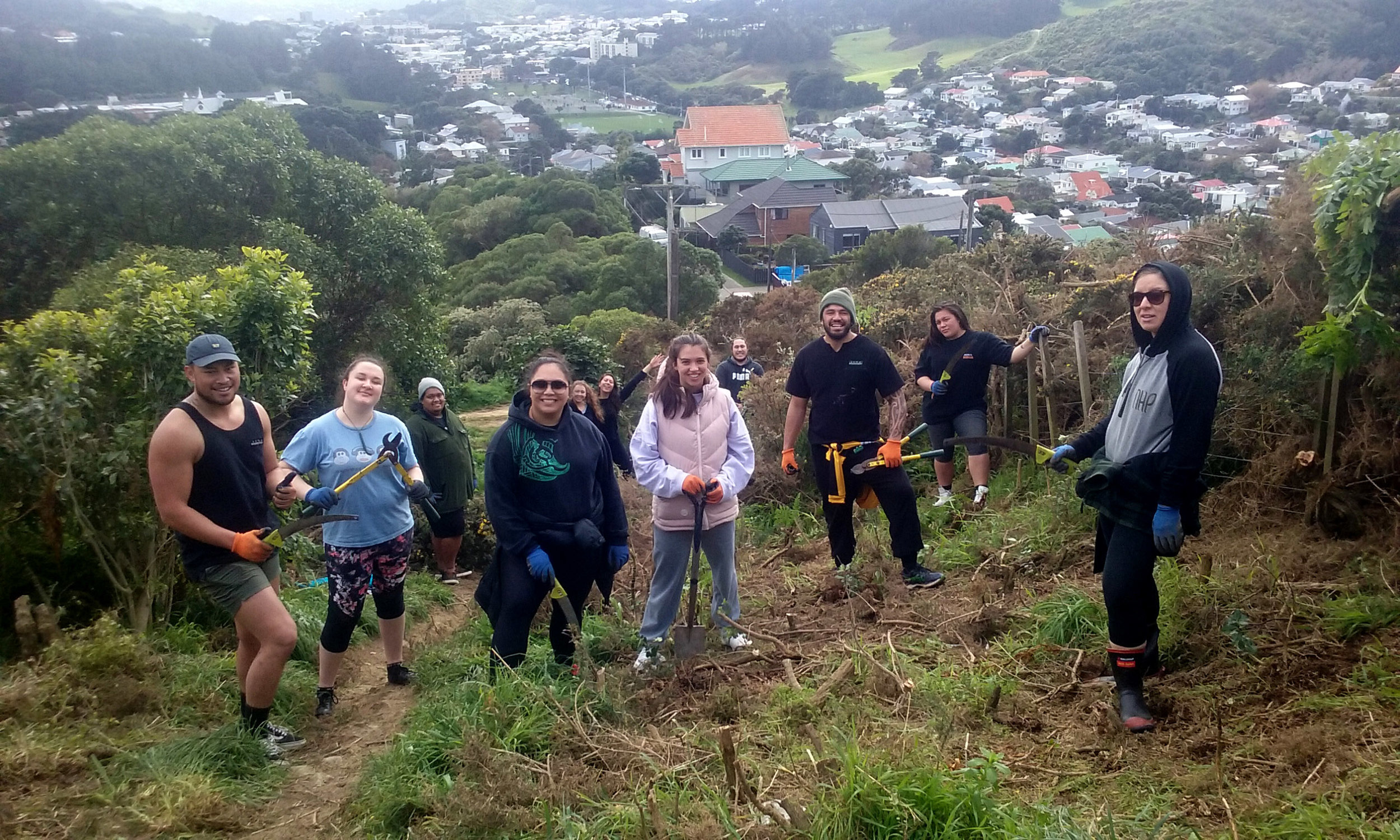
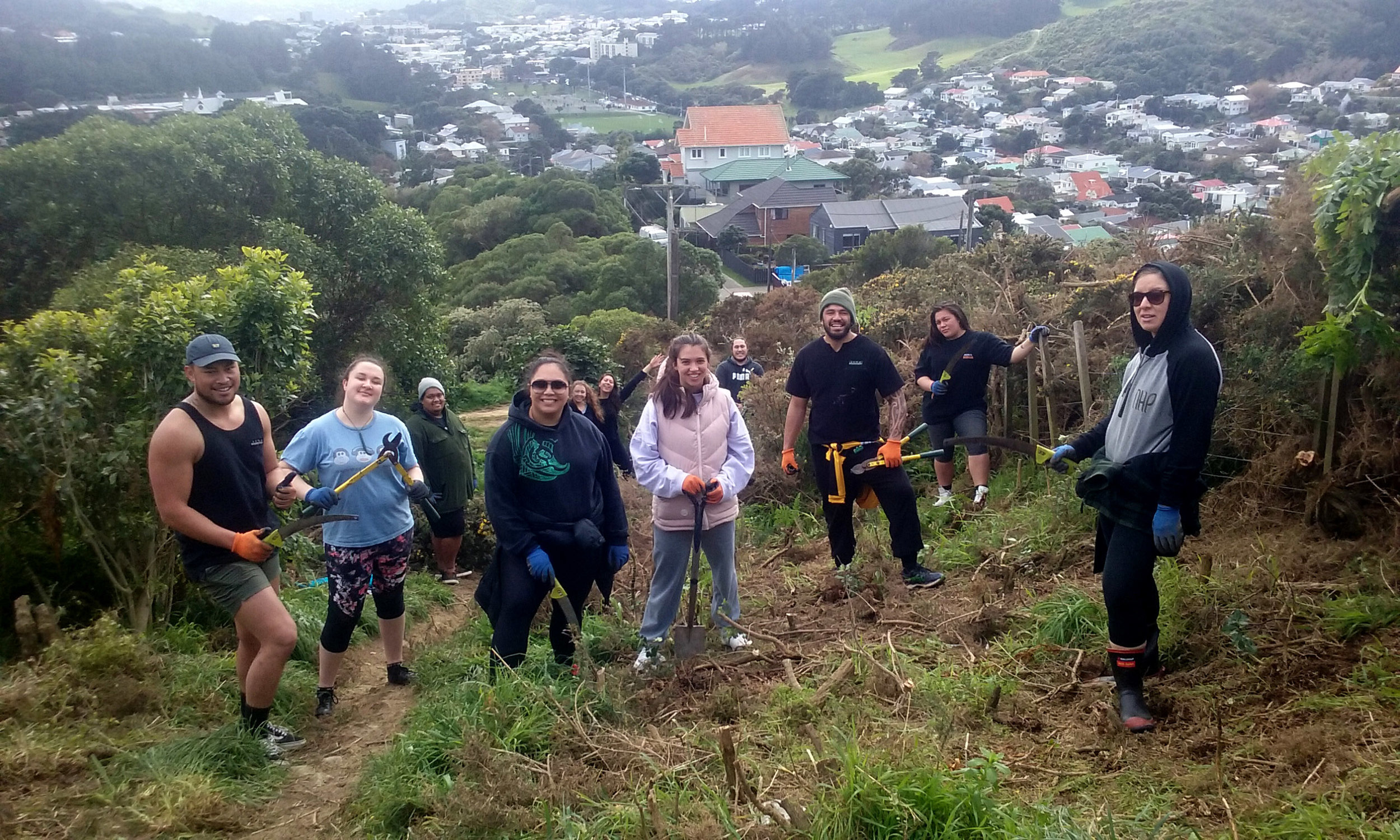
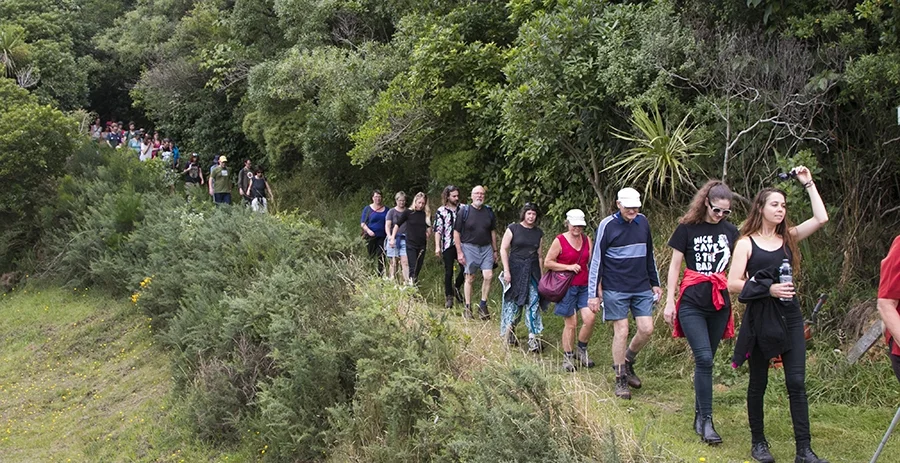
We have had several groups contact us this year offering to help at Manawa Karioi. The most recent group was Tuia te Here Tangata, who were staying at Tapu Te Ranga marae. In the space of one hour, the 15 or so volunteers had cleared a wide stretch of gorse from the track that connects Manawa Karioi to the top of Rhine St. This track has always been a bit of a problem to keep clear, and is earmarked for a major planting session or two next year.
Next, it was off to do some planting with the small amount of trees left over at the end of the planting season, including a couple of rata. These were put in at one of the viewpoints looking out over the valley below.
We welcome any groups who want to help us out; it can be a great team-building exercise or just a way to contribute something practical to the project. Groups of 5-10 are ideal, although we can cater for up to 15 at a time. From May-August most jobs involve planting, for the rest of the year it is mostly track maintenance work. Mostly we take groups on weekends, but with enough notice we can usually accomodate groups on week days. Contact us if you are keen!
End of the Planting Season - Progress Report
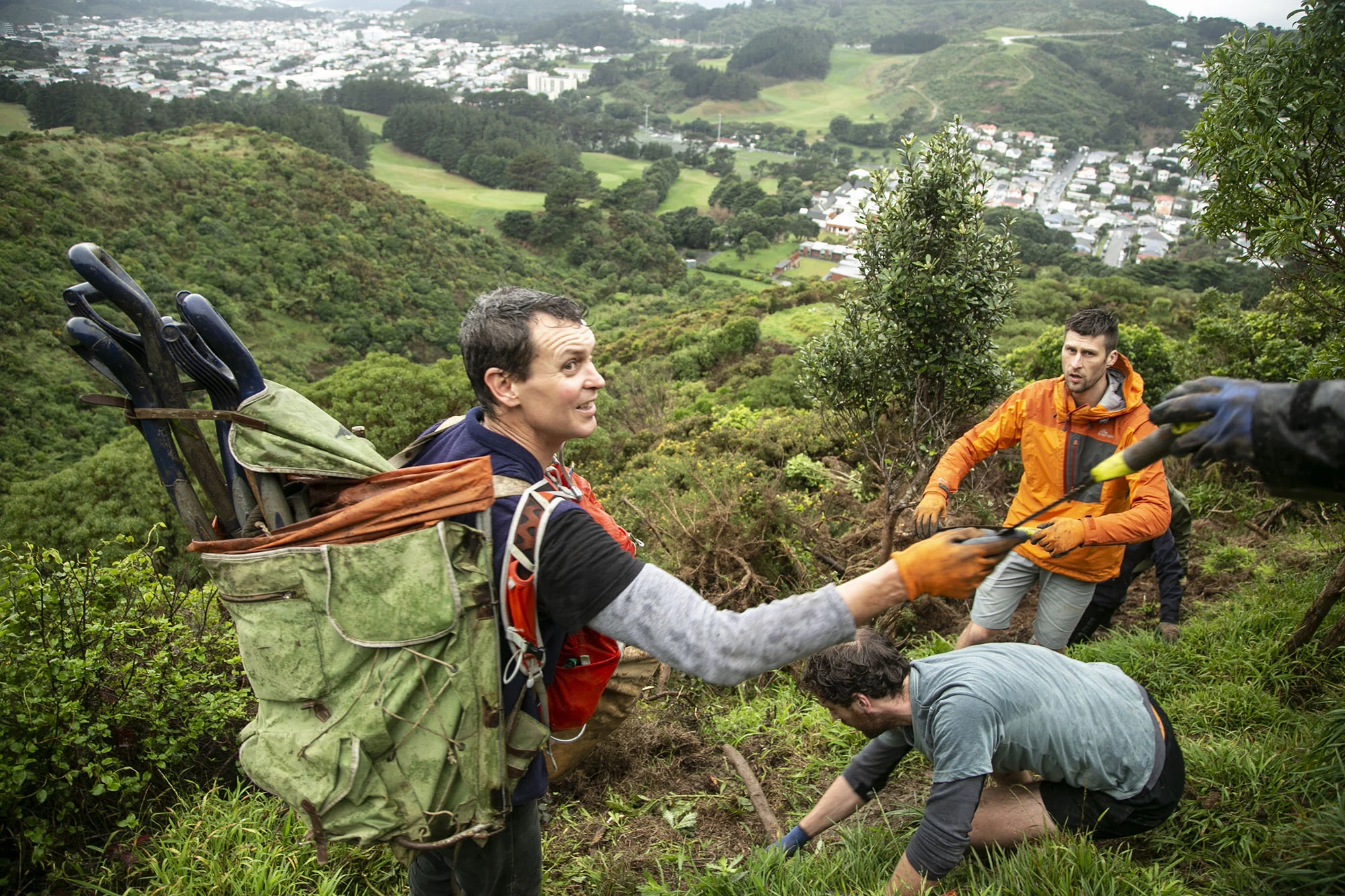
Each year, we run our planting working bees each Sunday of May and August, planting is in winter to allow the plants to establish roots before the drier summer months arrive. This year, we used social media, a new website and emails to attract volunteers, and as a result we have been rewarded with lots of volunteers showing up to our working bees.
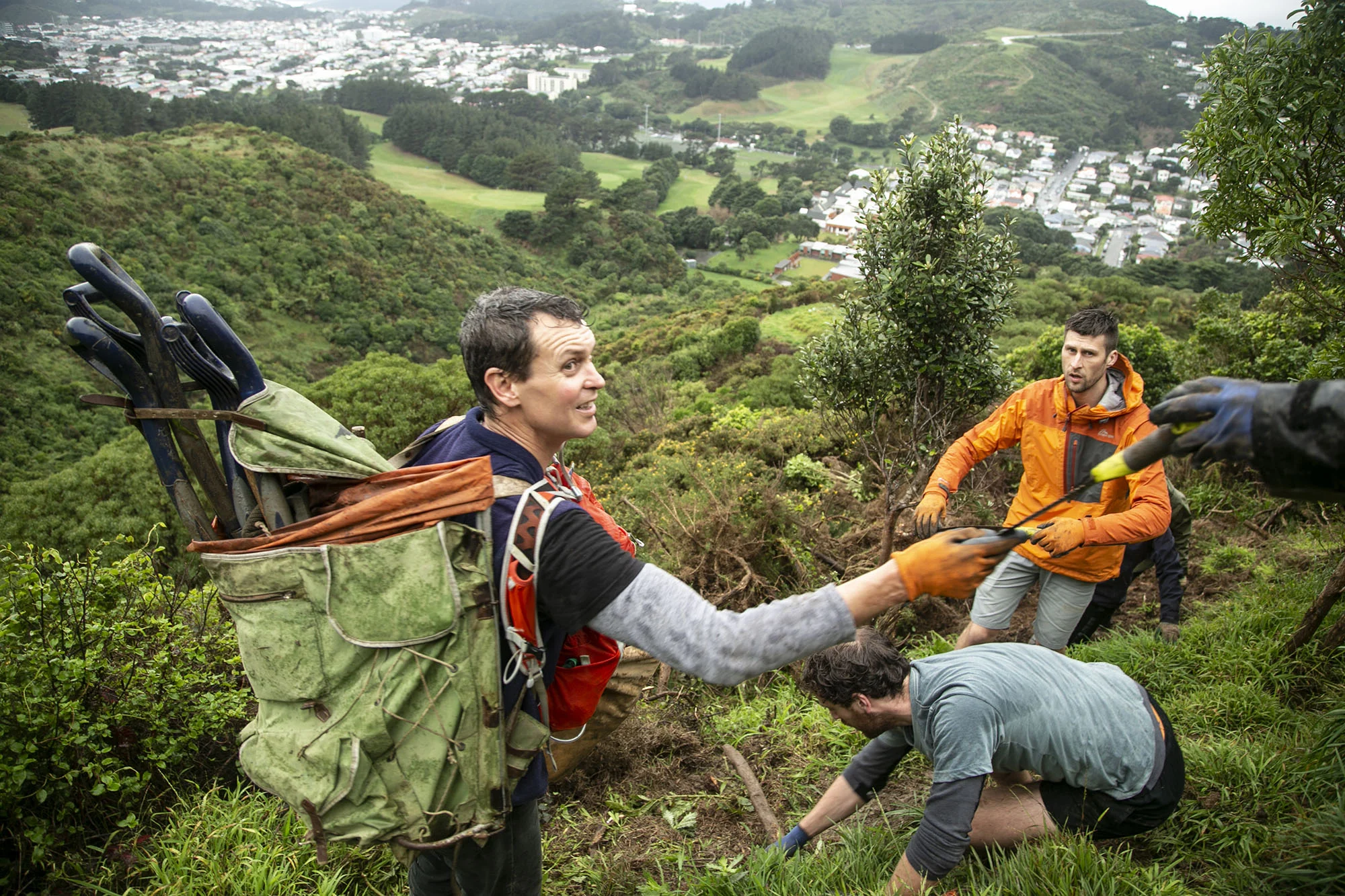
Each year, we run our planting working bees each Sunday afternoon of May and August, planting in winter allows the plants to establish roots before the drier summer months arrive. This year, we used social media, a new website and emails to attract volunteers, and as a result, we have been rewarded with lots of volunteers showing up to our working bees.
I asked Ross to write a progress report about the planting season for those that came along and helped get trees in the earth and maintain our tracks. The momentum created by the influx of keen volunteers has helped us achieve our goals and Ross said 'it is one of our most productive years!' Ness Patea
------------
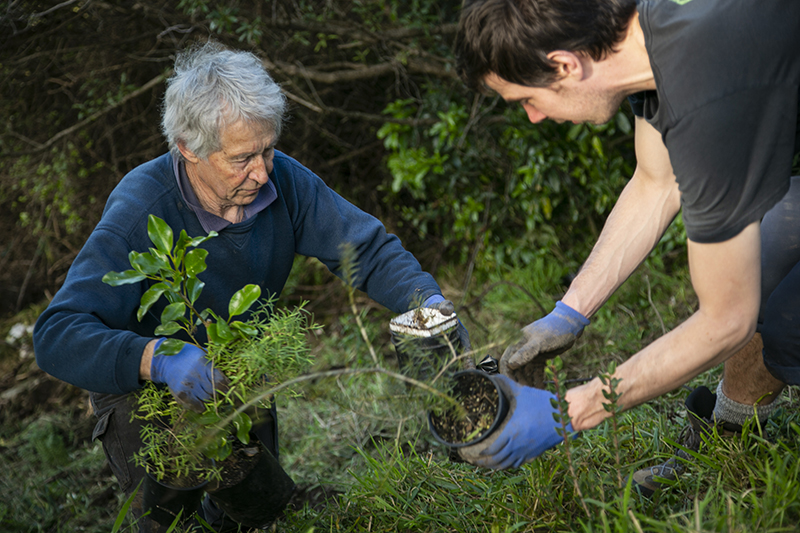
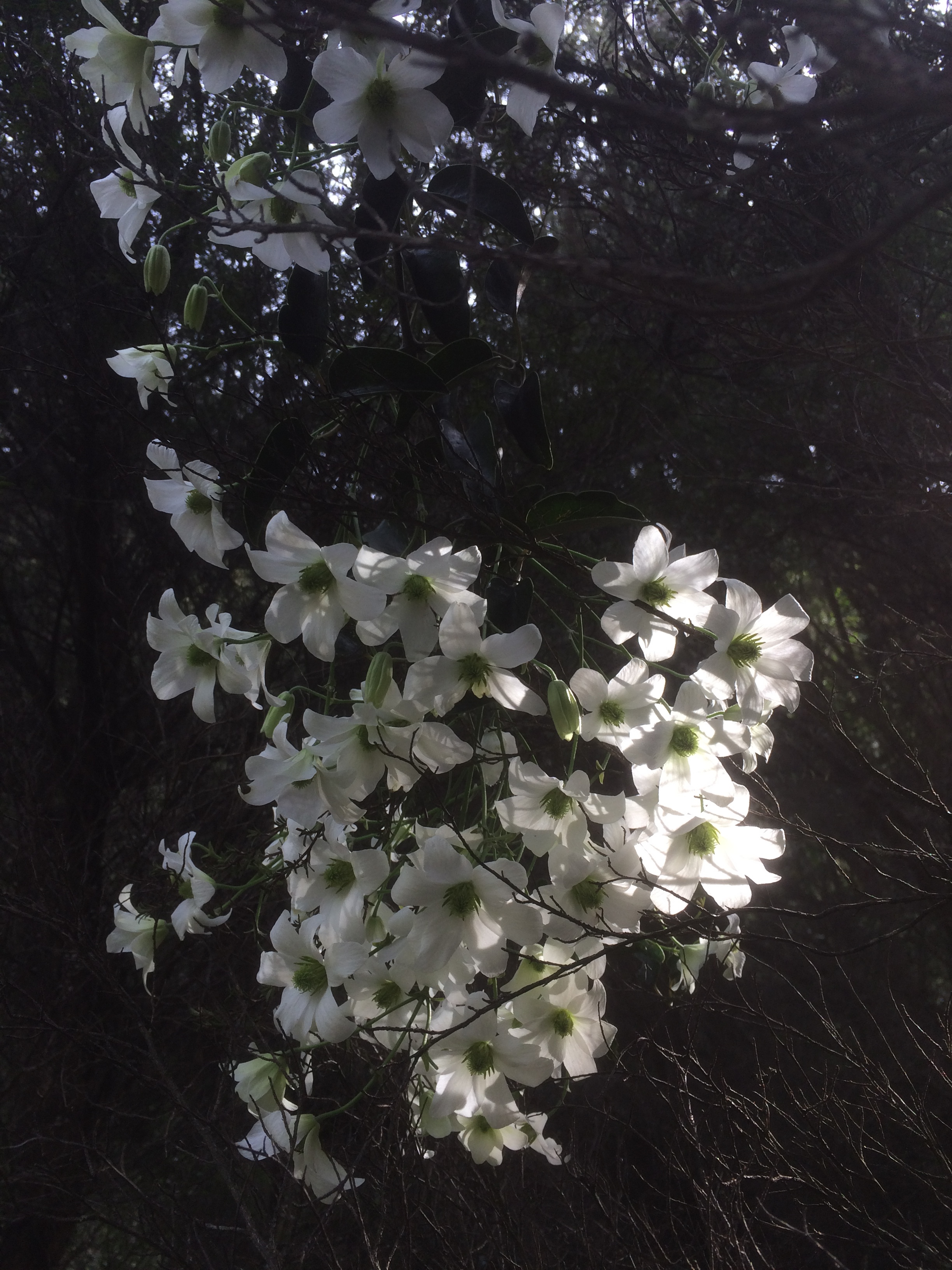
August 26 saw the last of our planting sessions for the year, and what a year it has been! We had pledged on the Trees That Count website that we would plant 1,000 trees. Not only did we get 1,200 plants in the ground, but we also increased our range of locally rare and unusual plants. We managed to plant 10 puawhananga (Clematis paniculata) in the main gully next to the Marae carpark. One single specimen of this native vine had been planted in Seed Source Gully, and it flowered for the first time this year.
We also put in another 20 Rewarewa, and on our last planting day we noticed that one planted about 10 years ago has started flowering. Of all the trees that will become one of the emergent species (meaning it will grow taller than the trees that make up the main forest canopy) it is one of the fastest growing. Its flowers provide nectar for birds such as tui and kaka, and it is a preferred nesting tree for kereru. Other emergent species we planted include matai, miro and totara, which all grow much slower than Rewarewa and take a lot longer to start producing fruit for birds.
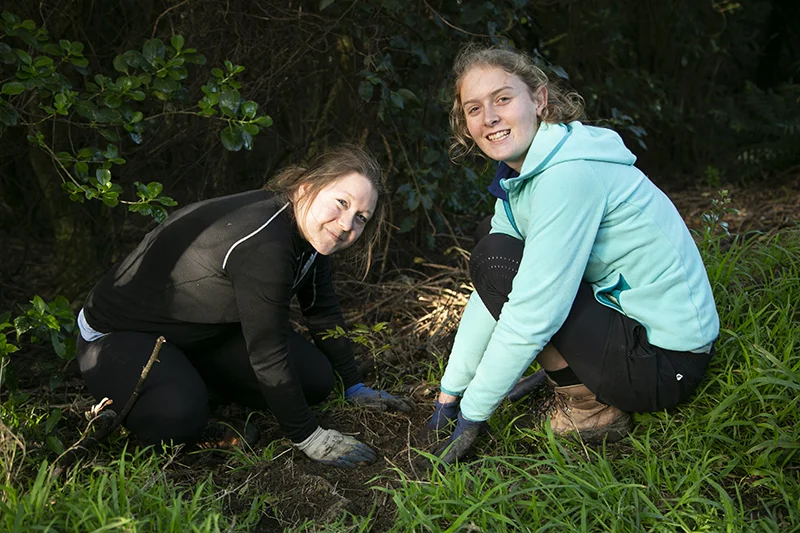
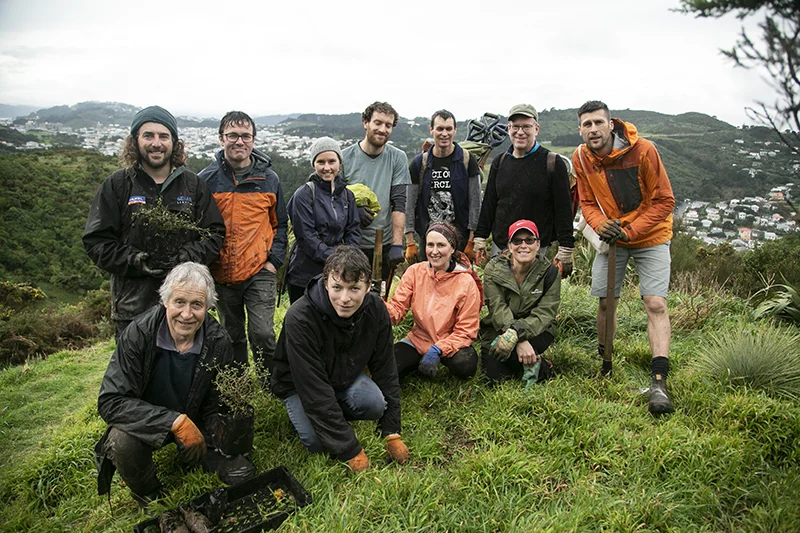
The Victoria University Tramping Club showed up for two tree planting working bees.
Once again we have been overwhelmed by the number of volunteers attending our working bees. Not only did we manage to get all the planting done during the winter, but we often finished planting early due to the number of helpers, and also got stuck into trimming vegetation back from track sides. Due to this our track network is constantly improving.
Now that planting has finished, it doesn't mean we are sitting back. We still have a lot of track work to do, with the most important project being the installation of map boards and track name signposts throughout our 5km network of tracks. This will be an ongoing process and may take us well into 2019. But at the end of it, we expect that visitors will find it a lot easier to navigate their way around.
Another project we have on the cards within the next couple of months is to install several seats at viewpoints on the upper slopes.
None of this would have been possible without the help of all those who have volunteered their time. Nga Mihi Nui!
Ross Gardiner
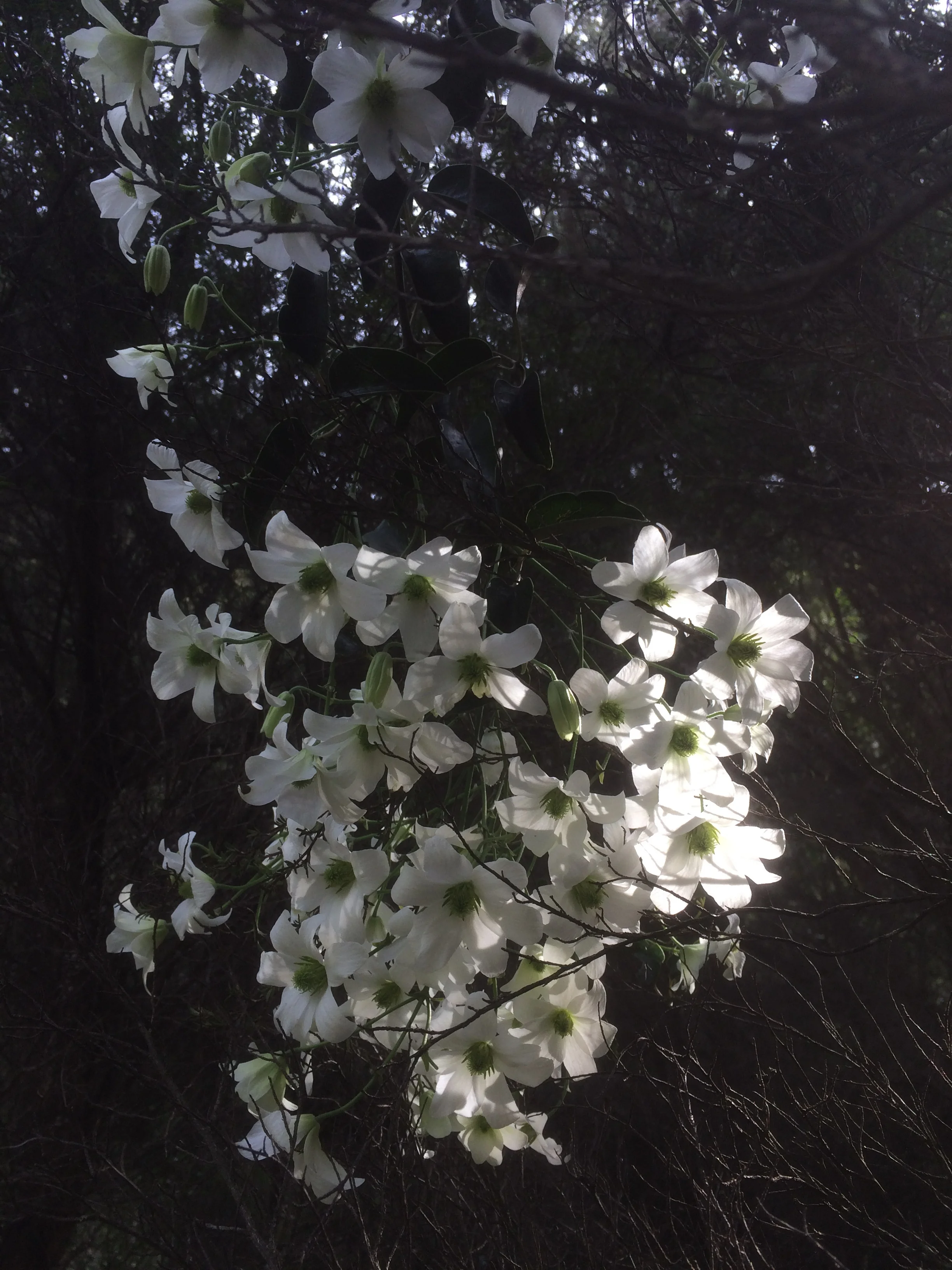
Clematis paniculata in Seed Source Gully
Clematis paniculata flowering in Seed Source Gully, not to be confused with introduced invasive Clematis vitalba (old man's beard).
This is possibly the first time this species has flowered at the Manawa Karioi site in 150 years.
Although occasionally present in gardens, this is a great step towards re-establishing this plant in the local area using locally sourced seed, thereby helping to protect the local gene pool of this species.
Planted 5 years ago, this is an example of our efforts to re-establish the broad range of plants that once existed in the area.
These are female flowers - the species is diecious (has separate male and female plants). So we will need to establish a few male plants nearby to pollinate it.
Peter Russell
Podcast: $5000 grant to create new signs
Island Bay’s Manawa Karioi Ecological Restoration Project has won a $5000 grant to erect signs and put in track markers that will help people walk local bush trails.
The money comes from the Walking Access Commission’s Enhanced Access Fund, which supports local groups to build and preserve outdoor access - especially tracks and trails.
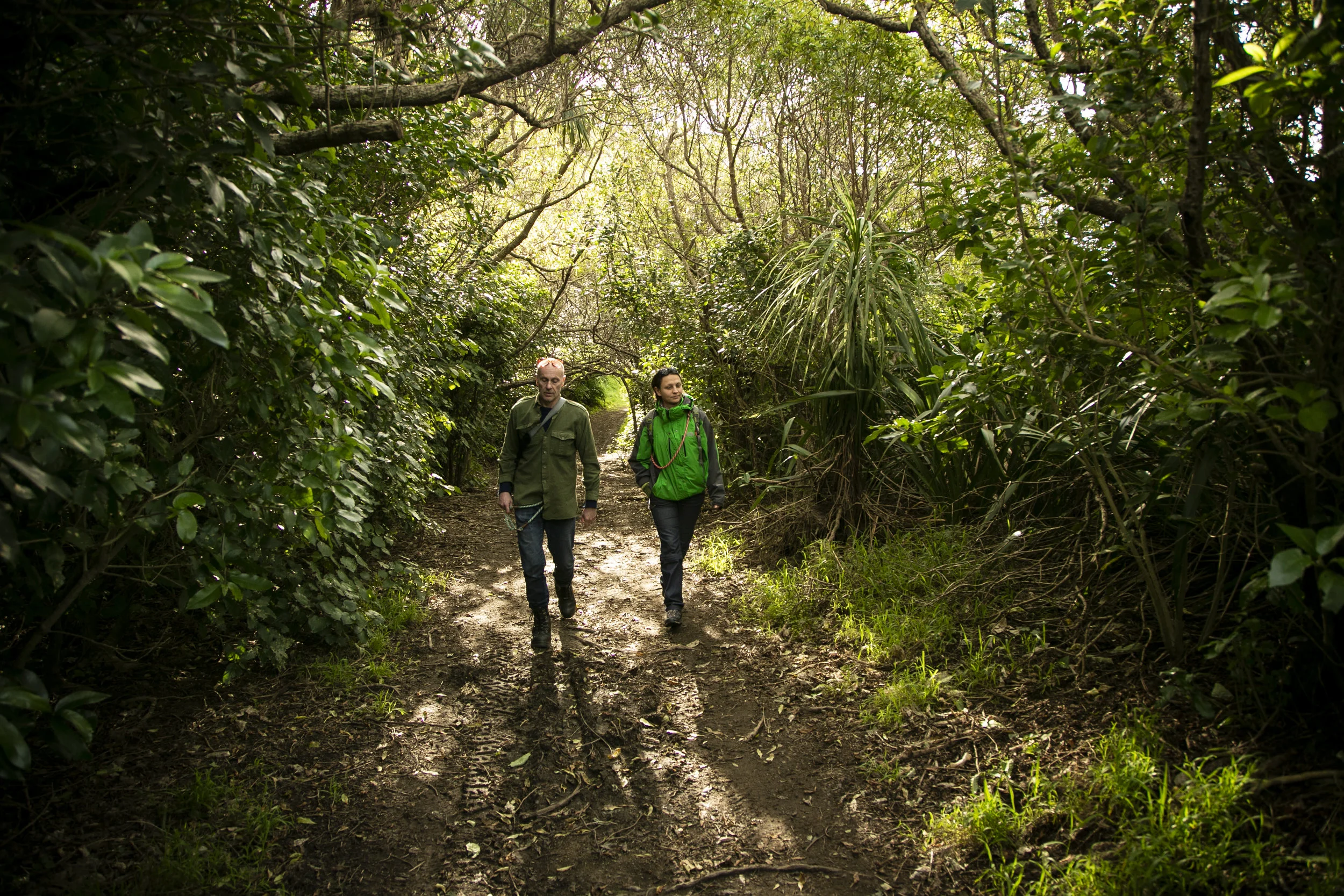
Walking Access went to Manawa Karioi to meet Chris Livesey from the restoration project. Chris says that currently the tracks, none of which are marked, can be a confusing web for people who have not used them before. New map panels at the entrances to Manawa Karioi and colour-coded track markers will help more people to enjoy them.
Listen to the podcast here.
Annual General Meeting 2018
Are you keen to help keep the wheels of the Manawa Karioi Ecological Restoration Project turning, or to learn more about the project?
If so, please:
come to the Annual General Meeting (AGM) of the Manawa Karioi Society at 1.30pm Sunday 23 September 2018 at Tapu Te Ranga Marae;
consider becoming a financial member of the Manawa Karioi Society (annual subscription $20; pay at the AGM or email papripaul13@gmail.com for internet banking details);
consider joining the Society's Committee to help shape the direction of the project and to help with its implementation.
renew your membership
The context for our project is given by the Society's rather unique objectives - see below. The last year has seen good progress with additional planting, weed control and track maintenance. During the next year we will also be putting effort into track signage so that our tracks are more accessible and user-friendly. The AGM is an opportunity to collect our thoughts, review our progress and make plans for the future.
Are you keen to help keep the wheels of the Manawa Karioi Ecological Restoration Project turning, or to learn more about the project?
If so, please:
- come to the Annual General Meeting (AGM) of the Manawa Karioi Society at 1.30pm Sunday 23 September 2018 at Tapu Te Ranga Marae;
- consider becoming a financial member of the Manawa Karioi Society (annual subscription $20; pay at the AGM or email papripaul13@gmail.com for internet banking details);
- consider joining the Society's Committee to help shape the direction of the project and to help with its implementation.
- renew your membership
The context for our project is given by the Society's rather unique objectives - see below. The last year has seen good progress with additional planting, weed control and track maintenance. During the next year we will also be putting effort into track signage so that our tracks are more accessible and user-friendly. The AGM is an opportunity to collect our thoughts, review our progress and make plans for the future.
Everyone is most welcome to the AGM - please register for this event either through our Facebook event or reply to this email if you are planning to attend so we are aware of numbers. Tea, coffee and snacks provided.
The objectives of the Manawa Karioi Society include:
- To restore a forest ecosystem to the land managed by the Society which is similar to that which existed there immediately before human arrival.
- To apply the principle of kaitiakitanga, or stewardship, in the care of the land.
- To establish a partnership of Maori and Pakeha in achieving the objects of the Society.
- To foster community involvement in the Society’s activities by encouraging individuals and groups to use the land for activities such as recreation, education, health improvement and cultural activities at the discretion of the Committee.
- To encourage in particular the involvement of children in the Society’s activities.
Manawa Karioi Ecological Restoration Project
Annual General Meeting 2018
23rd September 1.30pm - 3.00pm
Tapu te Ranga Marae - End of Danube Street, Island Bay